



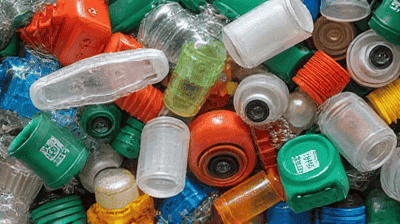
Plastic waste has become one of the most pressing environmental issues of our time. With billions of tons of plastic produced each year and only a fraction of it being recycled, the consequences of plastic pollution are dire.

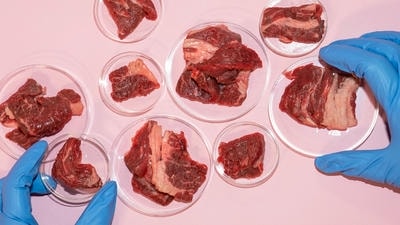
The quest for sustainable food sources has driven innovation in agriculture and food systems, resulting in various approaches to meet the demands of a growing global population. One of the most promising advancements in recent years is cellular agriculture, commonly known as lab-grown or cultured meat.

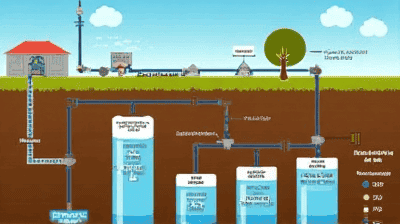
Water is an essential resource for life, yet it is increasingly under threat from pollution, climate change, and inefficient infrastructure. With global populations rising and the demand for clean water intensifying, many regions are facing significant water scarcity challenges.

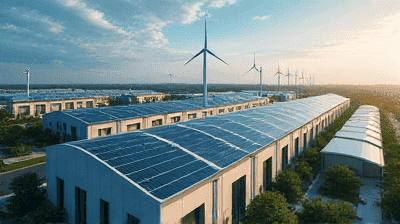
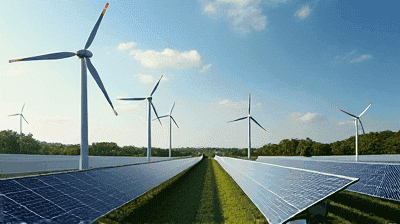
The quest for sustainable energy solutions has led to significant advancements in solar technology over the past few decades. Among the most promising innovations are perovskite solar cells, which are revolutionizing the solar energy landscape.
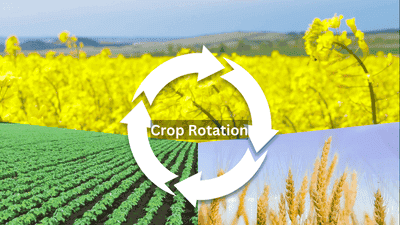
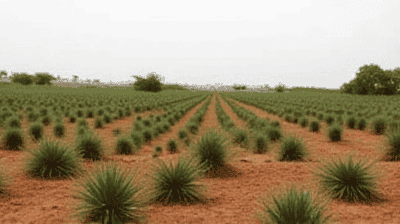
In the quest for sustainable agriculture, one of the oldest yet most effective practices is crop rotation. This technique, which dates back thousands of years, involves alternating the types of crops grown in a specific area across different growing seasons.